
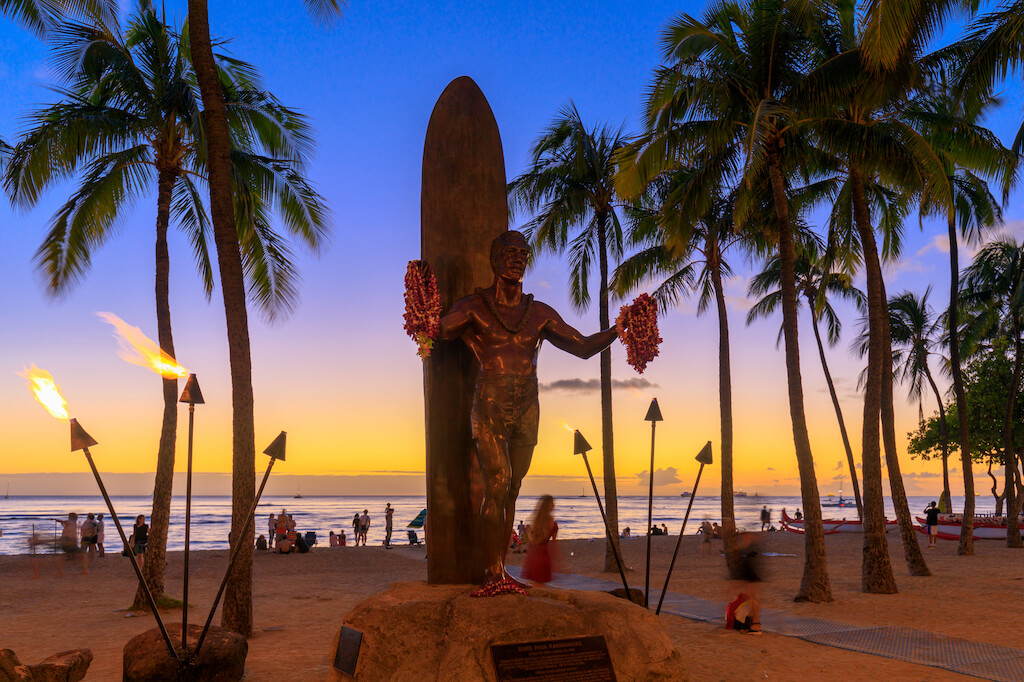
Source: https://explorenowornever.com/hawaii-landmarks/
1) What information is included in your dataset?
The data for the Hawai`i Airbnb dataset was collected by the Inside Airbnb project. It utilizes public information gathered directly from the official Airbnb website, including the availability calendar and reviews for desired listings. The data focuses on Airbnb locations in Hawai`i, and the dataset is a snapshot of the listings available on September 10, 2023.
2) What are the original sources?
The original sources of the data are the official Airbnb website, specifically utilizing the availability calendar and reviews for desired listings. The Inside Airbnb project accesses this public information to compile its dataset.
3) Who or what organization funded the creation of the data set?
The dataset was established and privately funded by Murray Cox, a community activist interested in using technology and media for social change. In addition to Murray’s personal funds, the project is also funded by donations from the public. The funds are used for data collection, technology, and compensation for contributors to the project. John Morris is a founding collaborator and the creative producer of the Inside Airbnb website.
4) What information is left out of the spreadsheet?
The dataset lacks clarity regarding its geographic scope, making it challenging to discern which specific areas within Hawai`i are included or excluded. Ethnic information for both hosts and renters is not provided, limiting the understanding of the demographic composition, particularly important in a diverse place like Hawai`i. The dataset also does not capture economic data, hindering a comprehensive understanding of the economic dynamics within communities. Additionally, the dataset is a snapshot of the available listings on September 10, 2023, and listings may change from month to month.
5) Ideological effects and information left out
The dataset’s ontology, shaped by the contributors’ focus on community empowerment and regulatory transparency, has ideological effects. While it succeeds in providing property-related details, such as stay durations and pricing, it leaves out crucial information about the socio-economic backgrounds of hosts and renters. This oversight limits the dataset’s ability to shed light on how short-term rentals influence the financial fabric of local societies. If this dataset were the sole source, it would leave out information about the intricate relationships between tourism, local economies, and broader societal impacts in Hawai`i. Despite its commitment to transparency, the dataset may fall short in providing a comprehensive view of the economic dimensions of Airbnb’s presence in the region.
